
Meeting Health Codes by Cleaning Indoor Soft Playgrounds
There’s nothing quite like the sound of children laughing as they explore a colorful multilevel play structure. For business-owners, that energy is what keeps the doors open. However, alongside the excitement comes a significant responsibility: keeping everyone safe and healthy.
Parents entrust their little ones to your care. Therefore, meeting health codes by cleaning your indoor soft playground isn’t just about following local regulations—it’s about building trust with your community. A spotless facility signals to parents that you value their families’ well-being as much as their entertainment.
Health Codes for Indoor Playgrounds
Adhering to health codes is essential for indoor playgrounds. Here are some key health standards typically required:
- Cleanliness and sanitization: Most health codes mandate regular cleaning schedules for all surfaces, play equipment, and flooring. Responsibilities include daily disinfecting routines and routine deep-cleaning to limit the spread of germs and bacteria.
- Sanitary facilities: Restrooms must be kept clean and stocked with soap and hand-dryers. Diaper-changing areas should also have easily sanitized surfaces and access to proper waste disposal.
- Ventilation and air quality: Good airflow is crucial to maintaining a healthy indoor environment. Playgrounds must have adequate ventilation systems to ensure clean air circulation and to control humidity.
- Safe materials: All equipment, mats, and furnishings should be constructed from nontoxic, child-friendly materials. Health codes often require regular inspections to ensure that no peeling paint, sharp edges, or hazardous substances are present.
By following these health codes, indoor playground operators can create spaces where fun and safety go hand in hand, allowing kids and parents alike to enjoy worry-free play experiences.
Establish a Cleaning Routine
Consistency is key when it comes to hygiene. Germs can linger on surfaces long after the last child has gone home, so a rigorous schedule is essential. Most experts recommend a two-pronged approach:
- Daily spot-cleaning: Throughout the day, staff should wipe down any high-touch surfaces. Handrails, entryways, and soft play shapes see the most action and require frequent sanitizing to stop the spread of colds and flu.
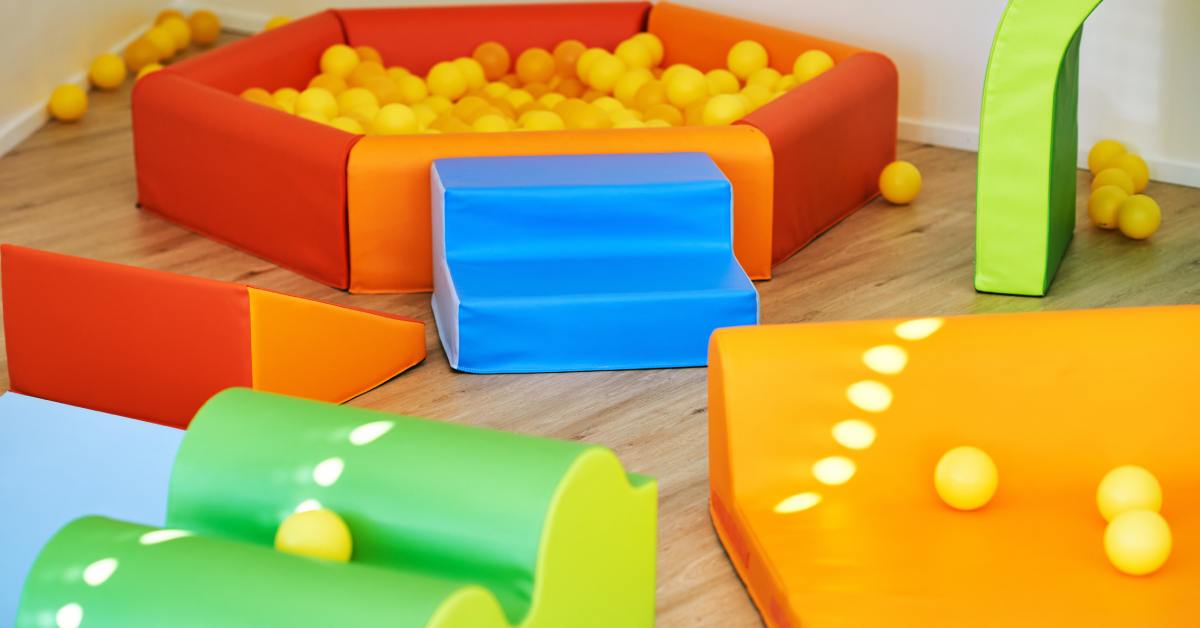
- Deep-cleaning: After hours, a more thorough disinfection process should take place. This involves getting into the nooks and crannies of the play structure, steam-cleaning the mats, and sanitizing ball pits.
Using nontoxic, child-safe cleaning agents is crucial. You want to eliminate bacteria without introducing harsh chemicals that could irritate sensitive skin.
Carry Out Inspections and Maintenance
Over time, eager feet and hands will naturally cause wear and tear on your play structure. A strict cleaning schedule allows your team to look closely at every inch of your play structure. Have staff members look for split seams in the padding, loose netting, or cracks in plastic components during their cleaning rounds. If they do spot these issues, act fast. Keeping a stock of playground equipment replacement parts or having a reliable supplier on call ensures that you can immediately swap out damaged items. This proactive maintenance keeps your facility safe and prevents small issues from turning into costly repairs or safety violations.
Creating a Sanctuary for Play
Ultimately, your goal is to provide a space where physical activity builds strong bones, improves cardiovascular health, and boosts the immune system. By cleaning your indoor soft playground, you’re doing more than just meeting health codes; you’re preserving the magic of the experience and ensuring that every climb, jump, and slide is safe. This allows children to focus on what they do best: playing, socializing, and growing.